Complete 4x4 Build vs Staged Build: Which Approach Fits Your Adventure?
- Adventure Guide
- 9 min read
- 13 sections
Some 4x4 owners want the finished touring setup ready from day one.
Others would rather start with the essentials, use the vehicle, learn what works and add more as the adventure evolves.
Both approaches can work.
The better fit depends on how clearly you understand the final use of the vehicle, how integrated the major systems need to be, how soon you want to travel and how much you want to learn from the vehicle before locking in the rest of the build.
Quick Takeaway
A complete build works best when the end goal is already clear and the major systems need to work together from the start.
A staged build works best when you want to learn from real trips, spread the project over time and add equipment as your use of the vehicle becomes clearer.
The important part is that staged does not mean unplanned.
Even if the build happens in stages, the likely end state still matters.
What Is a Complete 4x4 Build?
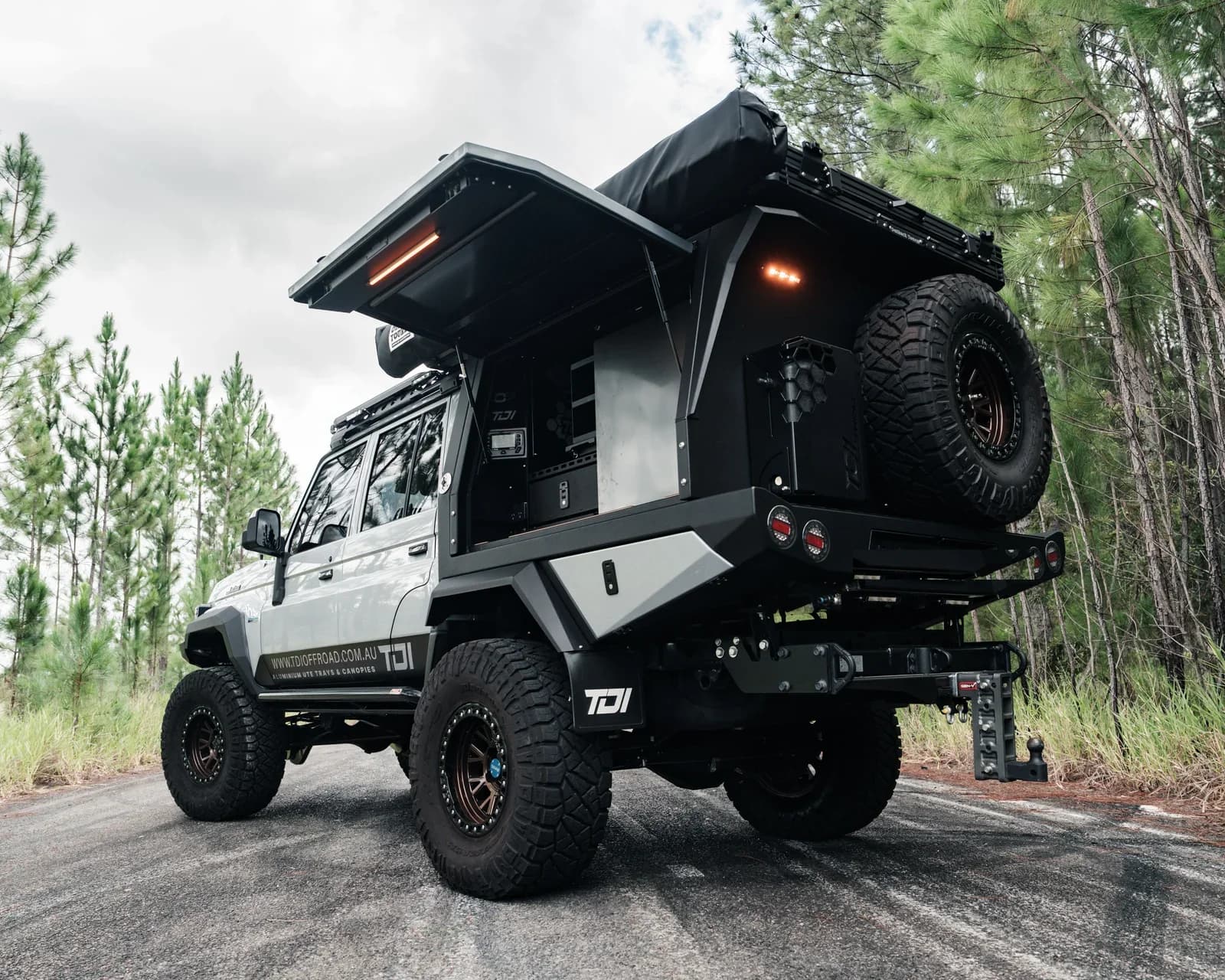
A complete build brings most of the major vehicle and touring upgrades together as one coordinated project.
That can include:
- suspension and GVM-related work where relevant
- bullbar, winch and protection
- wheels and tyres
- tray and canopy
- storage systems
- dual-battery or lithium power
- solar and charging
- water storage
- refrigeration
- communications
- rooftop tent or awning
- towing equipment
- recovery equipment
- other integrated touring equipment
The key difference is that the major systems are considered together around the intended end use rather than being added independently.
What Is a Staged 4x4 Build?
A staged build develops the vehicle over time.
You begin with what is needed for the next real adventure and add more as the way you use the vehicle becomes clearer.
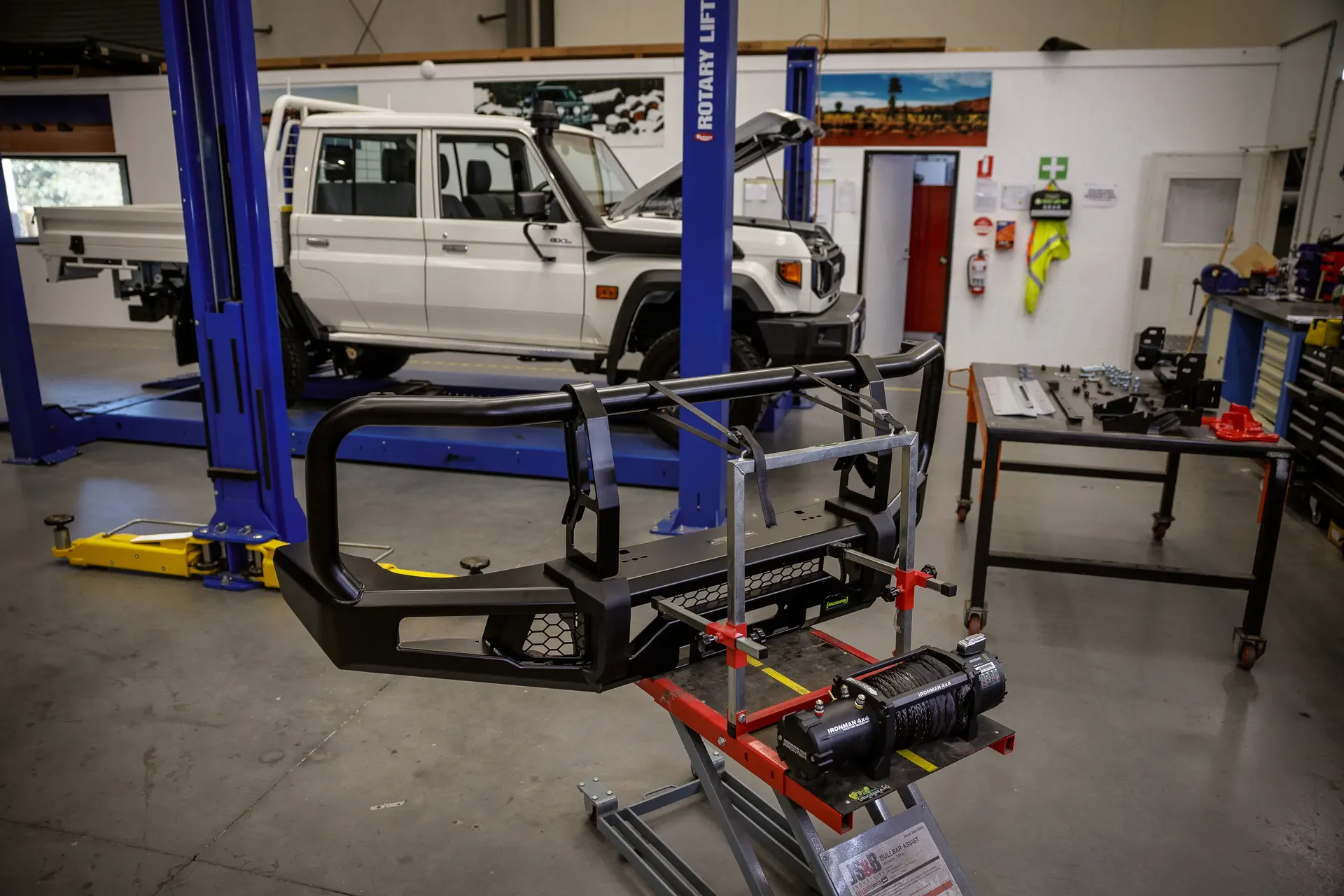
For example, the first stage might be suspension, tyres, recovery gear and a simple fridge setup. Later stages may add a tray and canopy, a larger electrical system, water, rooftop sleeping and other touring equipment.
A good staged build still has a direction. The stages are flexible, but the long-term role of the vehicle is not ignored.
Where a Complete Build Can Work Well
You Already Know the End Goal
A complete build can suit someone who has a clear picture of how the vehicle will be used and what the final touring setup needs to achieve.
The Systems Need to Work Together
Tray, canopy, suspension, electrical, water, storage and towing systems can affect one another.
Planning them together can reduce the risk of one part of the build creating problems for another.
You Want the Vehicle Travel-Ready Earlier
For a major trip with a fixed departure date, one coordinated build can reduce the need to repeatedly return the vehicle to suppliers between stages.
Weight Planning Is Central
Where the vehicle will carry a substantial canopy, batteries, water, passengers, luggage or tow-ball load, understanding the intended final setup early can make weight, payload and axle-load planning clearer.
You Want Fewer Redesigns
A coordinated plan can reduce the chance of replacing equipment later because the first version no longer suits the finished setup.
Complete Build: Things to Think About
- The project can become complex quickly when several suppliers are involved.
- The final design needs to be reasonably clear before major components are ordered.
- Weight estimates matter because several permanent upgrades may be added at the same time.
- Electrical, water and storage layouts benefit from being planned around how the canopy will actually be used.
- Supplier lead times can affect the order in which the vehicle is completed.
- A large amount of the project can become committed at once, so the broader budget needs to be clear early.
Where a Staged Build Can Work Well
You Are Still Learning What You Need
Someone new to touring may not yet know which features will genuinely matter after several trips.
A staged build lets the vehicle evolve from real use rather than from assumptions.
The Vehicle Already Works for the Next Adventure
If the current setup is enough for short weekends away, there may be no reason to complete every future upgrade before the next trip.
You Want to Prioritise the Essentials
A staged approach can separate the upgrades that improve capability, safety or day-to-day usability from the items that can wait.
The Adventure Itself May Change
Someone who starts with beach weekends may later move into caravan towing or long-term touring.
Building in stages allows the setup to evolve as the adventure changes.
Staged Build: Things to Think About
- Keep the likely end state in mind before choosing the first major components.
- Avoid buying equipment that will be removed once the tray, canopy or electrical system changes.
- Think about future weight before adding heavy accessories one at a time.
- Allow for future electrical capacity, storage and mounting requirements where practical.
- Keep supplier documentation and project records organised as the build develops.
- Revisit the overall project budget as each new stage is planned.
Complete Build vs Staged Build: Side by Side
| Consideration | Complete Build | Staged Build |
|---|---|---|
| Final setup clarity | Best fit when the end goal is already clear. | Useful when the final setup is still evolving. |
| Integration | Major systems can be designed together. | Future integration needs to be considered at each stage. |
| Learning from use | Less opportunity to test before everything is fitted. | More opportunity to learn from real trips. |
| Supplier coordination | More coordination upfront. | Coordination spread across multiple stages. |
| Vehicle downtime | Can involve one larger build period. | Can involve multiple shorter visits over time. |
| Weight planning | Final weight can be considered earlier. | Weight needs to be revisited as the build grows. |
| Budget planning | Broader project budget considered upfront. | Budget can be broken into defined stages. |
| Risk of rework | Lower where the final design is well planned. | Higher if early choices do not suit the eventual build. |
Which Approach Fits the Adventure?
Local Weekend Adventurer
A staged build can be a natural fit when the vehicle is mainly used for quick overnighters, beach trips, fishing and short camping escapes.
Starting with the essentials makes it easier to learn what genuinely improves the experience before adding more.
Family Getaway Explorer
Either approach can work.
A family already planning regular caravan towing and school-holiday travel may benefit from considering suspension, payload, storage, water, refrigeration and towing together.
A family still discovering how often they will camp may prefer to build gradually.
Long-Term Traveller
A complete or highly coordinated build can become more attractive when the vehicle is being prepared for extended travel.
Power, water, storage, communications, payload, towing and everyday access to equipment often need to work as one system.
The Biggest Risk Is Building Without an End Plan
Many build problems are not caused by choosing a staged approach.
They come from making each purchase without considering what the vehicle eventually needs to become.
Examples include:
- installing an electrical system that later needs to be replaced for greater capacity
- buying storage that no longer fits once the canopy changes
- adding heavy accessories before understanding final payload requirements
- selecting suspension before the final constant load is known
- mounting equipment where future water, fridge or battery systems need to go
- buying a rooftop solution that conflicts with later rack or canopy plans
A staged build works best when the stages remain flexible but the overall direction is understood.
Think About Weight From the Beginning
Whether the build happens at once or over several stages, every permanent addition affects the vehicle's weight.
Tray, canopy, batteries, water, passengers, luggage, spare wheels, recovery equipment and tow-ball load can all reduce available payload.
This is one of the reasons the likely end state matters even on a staged build.
 Related GuideGVM Upgrades
 Related GuideGVM vs GCM
Build the Whole Project Budget
The build strategy and the budget strategy are closely connected.
A complete build gives you a clearer view of the whole project from the beginning.
A staged build separates the project into defined steps, but the likely future stages are still worth mapping before the first big purchase.
The point is not to lock every detail in early. It is to understand the likely size and shape of the finished setup.
 Related GuideHow Much Does a 4x4 Build Cost?
A Simple Decision Framework
Use these questions before deciding between a complete and staged build:
What adventures will the vehicle be used for over the next few years?
Do you already know the major components you want in the final setup?
Will the vehicle tow a caravan or camper?
How important are payload, GVM and axle-load considerations?
Do the electrical, water, storage and canopy systems need to be highly integrated?
Do you want to test the vehicle on real trips before committing to more equipment?
Are several suppliers involved in the project?
How much vehicle downtime is practical?
Which upgrades are essential for the next adventure?
Which upgrades can genuinely wait without creating rework?
Have you mapped the whole project budget?
Which decisions would be expensive to reverse later?
Real-World Build Lesson
The strongest argument for a staged build is that real use teaches you things a spreadsheet cannot.
A drawer can be too low. A fridge can be awkward to access. A battery system can be larger than you need. A canopy layout can look perfect until you live from it for a week.
The strongest argument for a complete build is that integration matters.
A tray, canopy, electrical system, water, suspension and storage layout can work better when they are considered together.
There is no universal winner.
The better approach is the one that suits how much you already know about the finished setup and how much you want to learn from using the vehicle along the way.
Key Takeaways
- Complete builds and staged builds can both work well.
- A complete build fits best when the end goal is clear and major systems need to be designed together.
- A staged build fits best when you want to learn from real use and add equipment over time.
- Staged does not mean unplanned - the eventual end state still matters.
- Weight, electrical, storage and towing decisions can affect later stages.
- Map the whole project even if only the first stage is happening now.
- The biggest risk is not staged building itself; it is making each purchase without considering what the vehicle eventually needs to become.
- A good build strategy leaves room for the vehicle to evolve with the adventures you actually take.
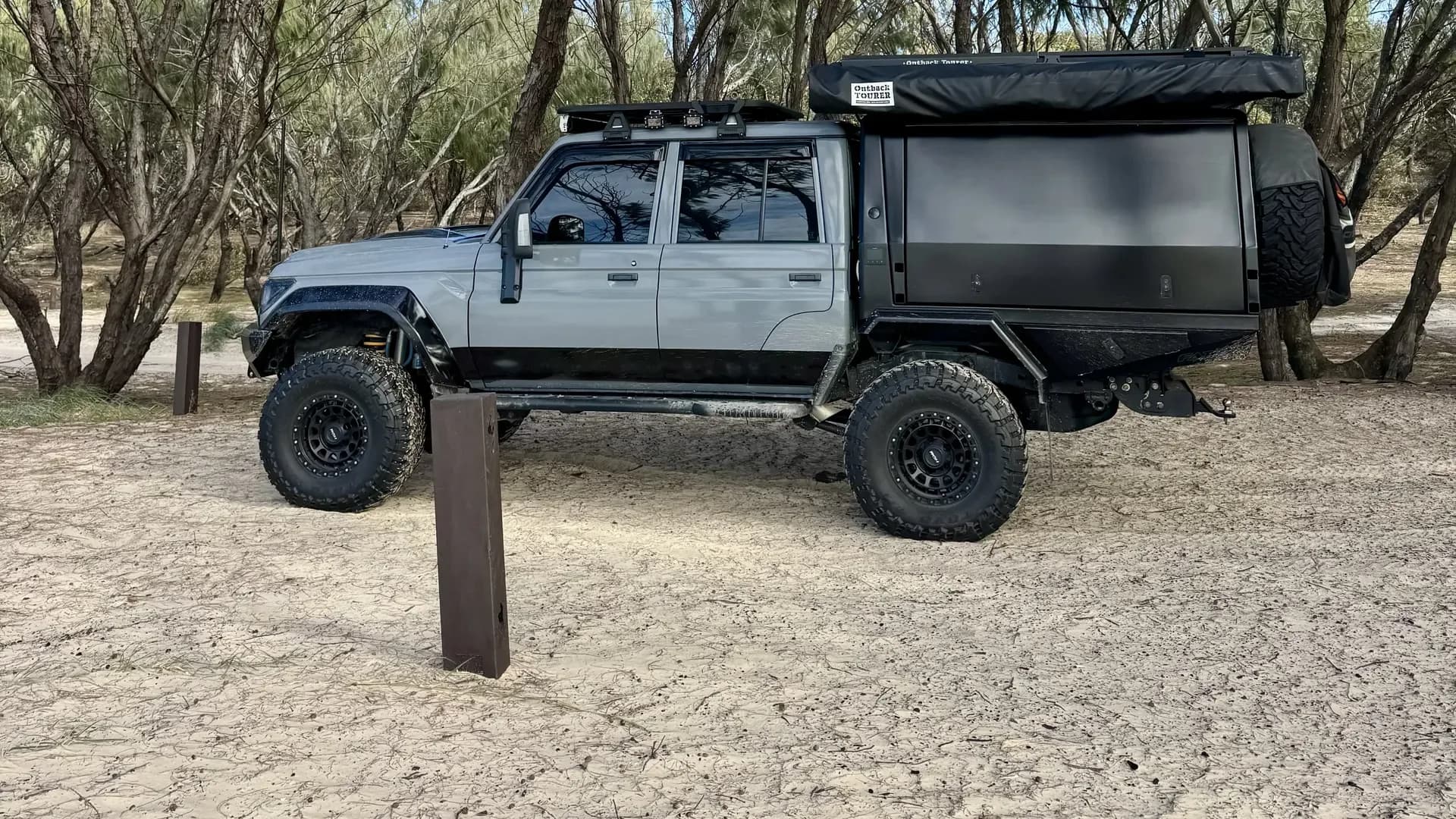
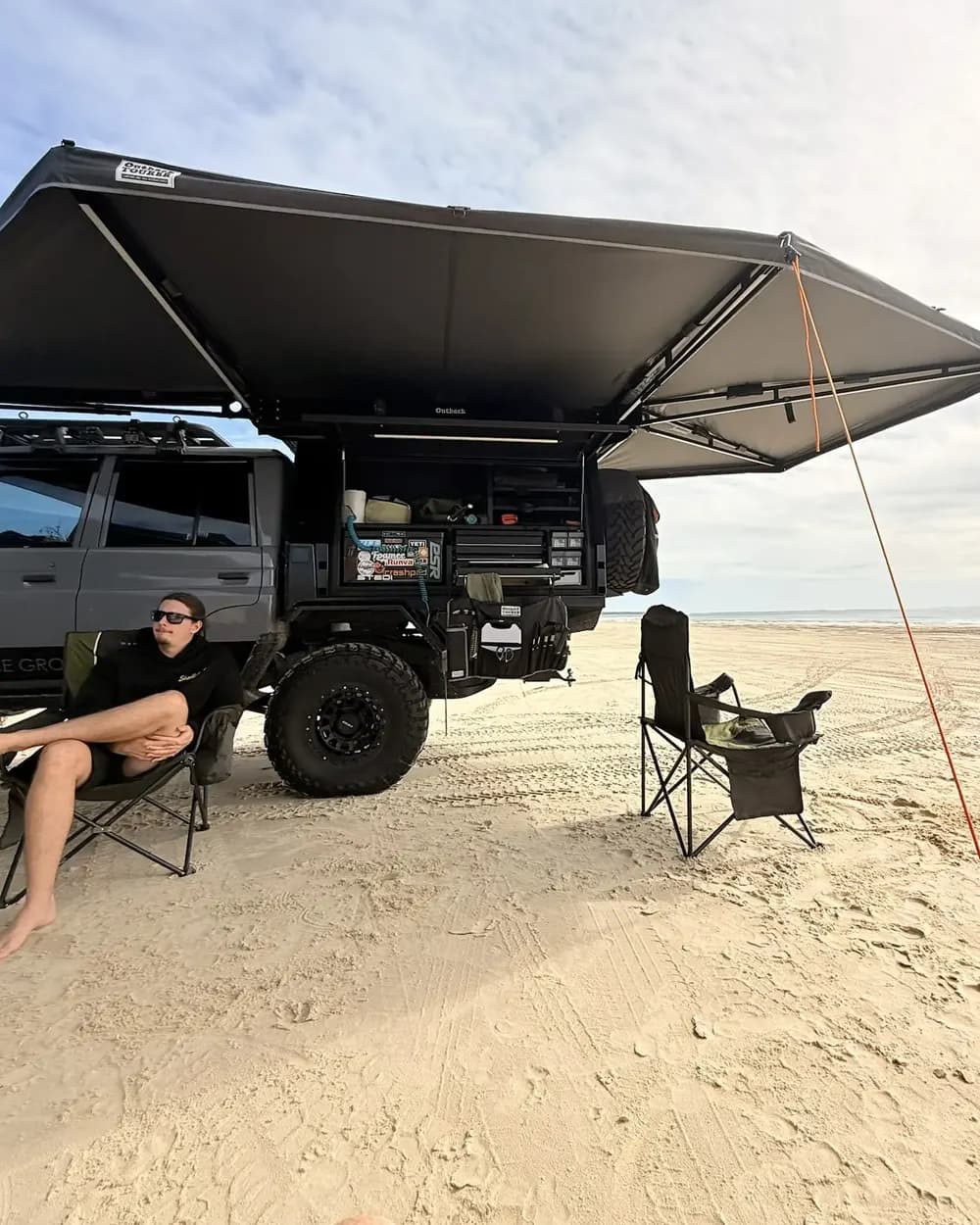
Drewsy’s 79: Why a Living Build Matters
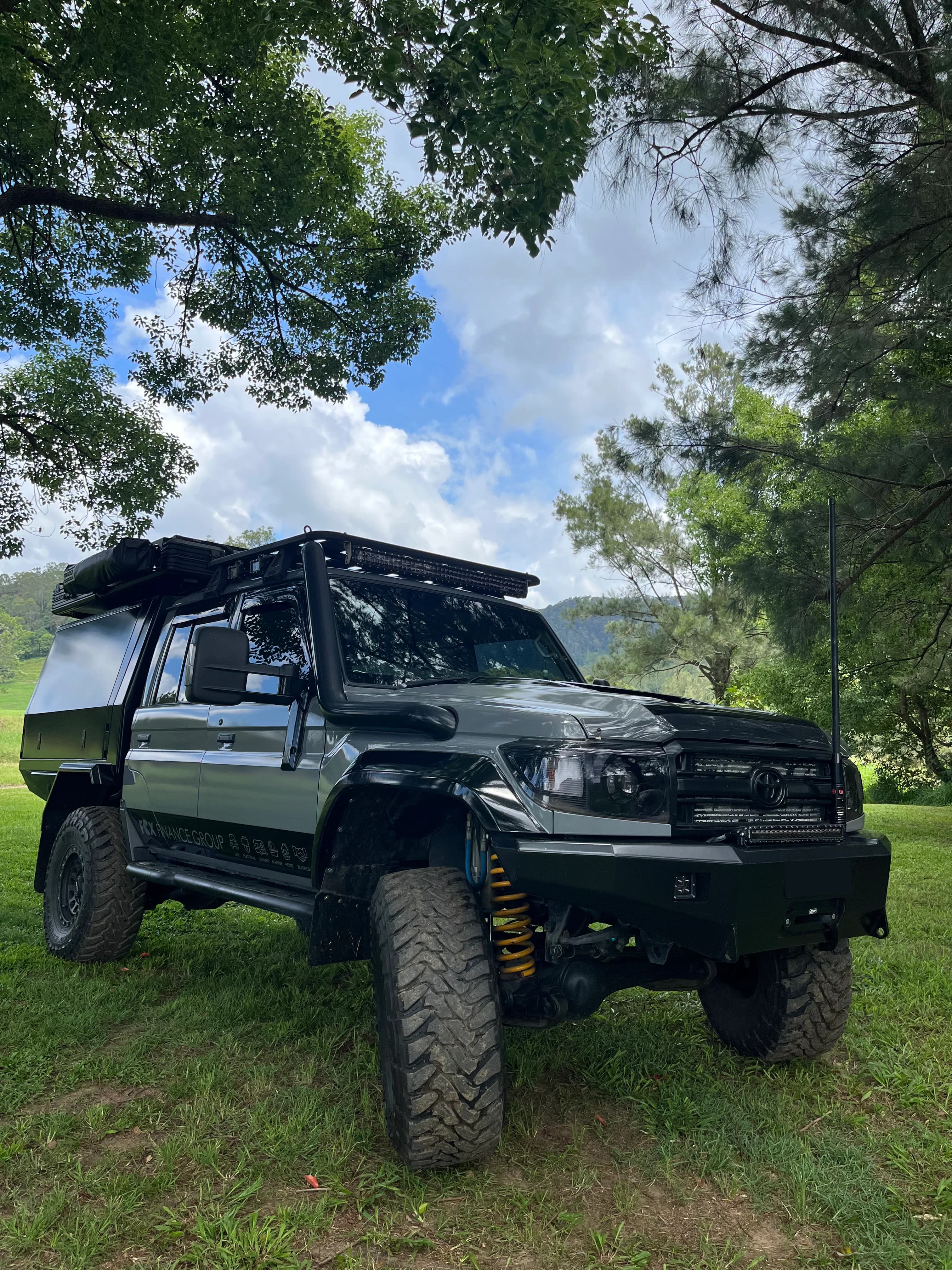
Drewsy’s 79 gives Built for Adventure a real example of why a touring build does not need to be treated as permanently finished.
The vehicle can evolve as trips reveal what works, what is awkward, what gets used and what no longer earns its place.
That makes the build itself part of the story.
Future Drewsy’s 79 content can show which parts were planned as integrated systems, which parts changed over time and which upgrades came from real use rather than from the original wish list.
Follow @drewsys79Common Questions
Is it better to build a 4x4 all at once or in stages?
Neither approach is universally better. A complete build can suit a clear end goal and highly integrated systems, while a staged build can suit someone who wants to learn from using the vehicle and add equipment over time.
Can a staged build cost more in the long run?
It can if early components need to be replaced or redesigned later. Keeping the likely end state in mind can reduce unnecessary rework.
Does a complete build make weight planning easier?
It can make the intended final setup clearer earlier, which can help the owner and qualified specialists assess likely vehicle weight, payload and towing requirements.
Can I start with a canopy and add electrical later?
Yes. The eventual electrical system is still worth considering during the canopy design so space, ventilation, cable routing, battery location and access are not unnecessarily constrained.
What is the best first stage for a touring build?
It depends on how the vehicle will be used. Start with the items needed for the next real adventure while keeping future weight, storage, power and integration in mind.
Finance Your Adventure
If the build has moved from planning into a real purchase decision, Adventure Finance is the separate specialist finance pathway. Built for Adventure keeps this Guide focused on the build strategy itself. Questions about pre-approval, lender criteria, rates, terms or whether eligible vehicle and build costs can be financed together belong with Adventure Finance.