GVM Upgrades: What Australian 4x4 Owners Need to Know
- Adventure Guide
- 6 min read
- 8 sections
A touring 4x4 can gain weight quickly.
Tray. Canopy. Batteries. Water. Fridge. Recovery gear. Passengers. Luggage. Rooftop tent. Caravan ball load.
Individually, each addition can look manageable. Together, they can use more of the vehicle’s available payload than people expect.
That is why GVM often becomes part of the conversation once a 4x4 moves from standard vehicle to genuine touring setup.
Quick Takeaway
GVM stands for Gross Vehicle Mass. In simple terms, it is the maximum loaded weight the vehicle is permitted to be while driving on the road.
A GVM upgrade may become relevant when the planned touring setup, passengers, luggage, towing equipment and accessories push the vehicle closer to its existing limits.
A GVM upgrade is not automatically required just because a 4x4 is modified or used for towing, and it does not remove every other weight or towing limit that can apply.
The practical starting point is understanding the actual vehicle, the planned loaded setup and the applicable limits before the build gets too far.
Why GVM Matters to Adventure Builds
A standard 4x4 can gain weight surprisingly quickly once it is set up for travel.
Common additions can include:
- bullbar and winch
- larger wheels and tyres
- suspension upgrades
- tray and canopy
- drawers and storage
- dual-battery or lithium systems
- solar and electrical equipment
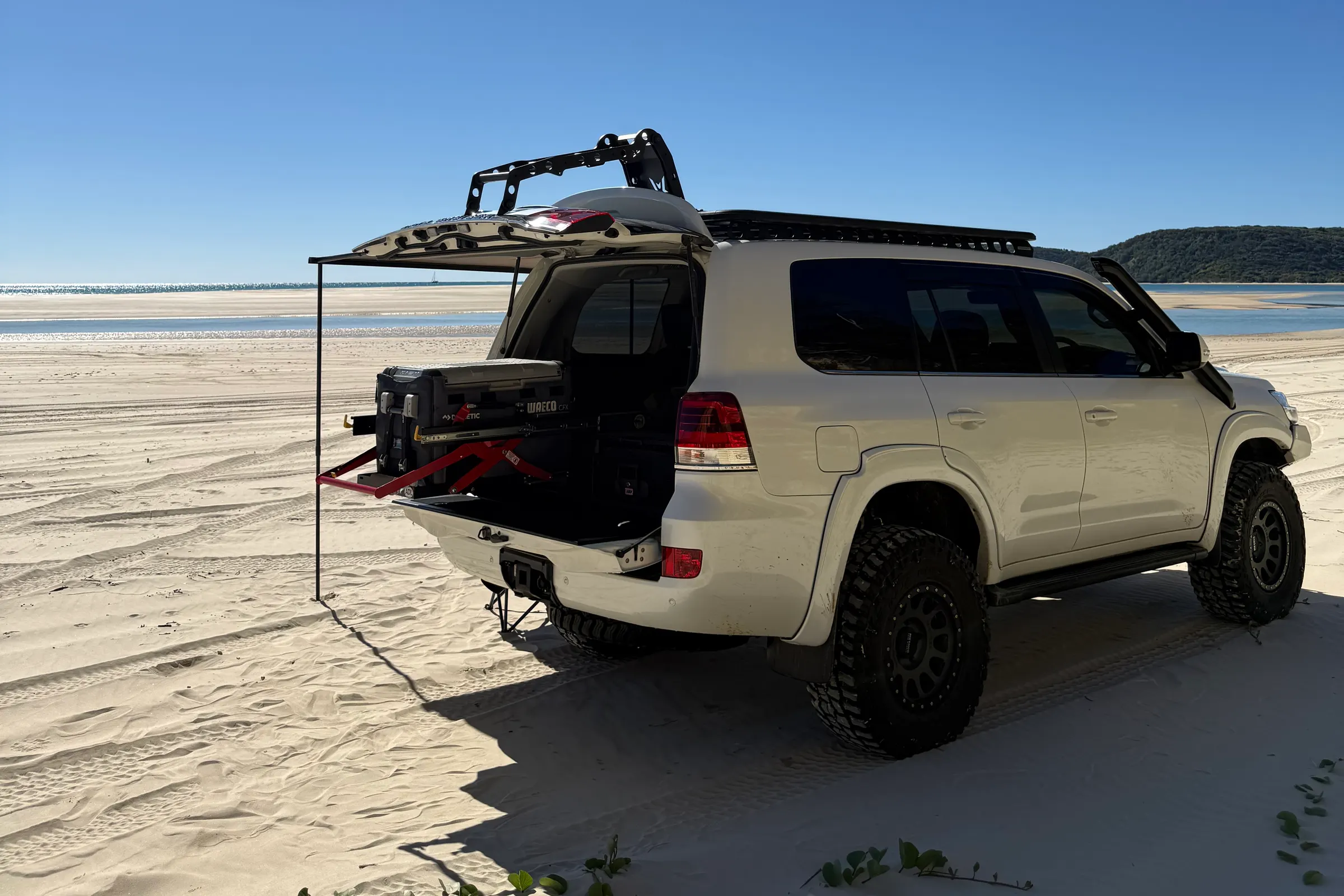
- fridge and food
- water
- recovery gear
- roof racks, rooftop tent or awning
- tools and spare parts
- passengers and luggage
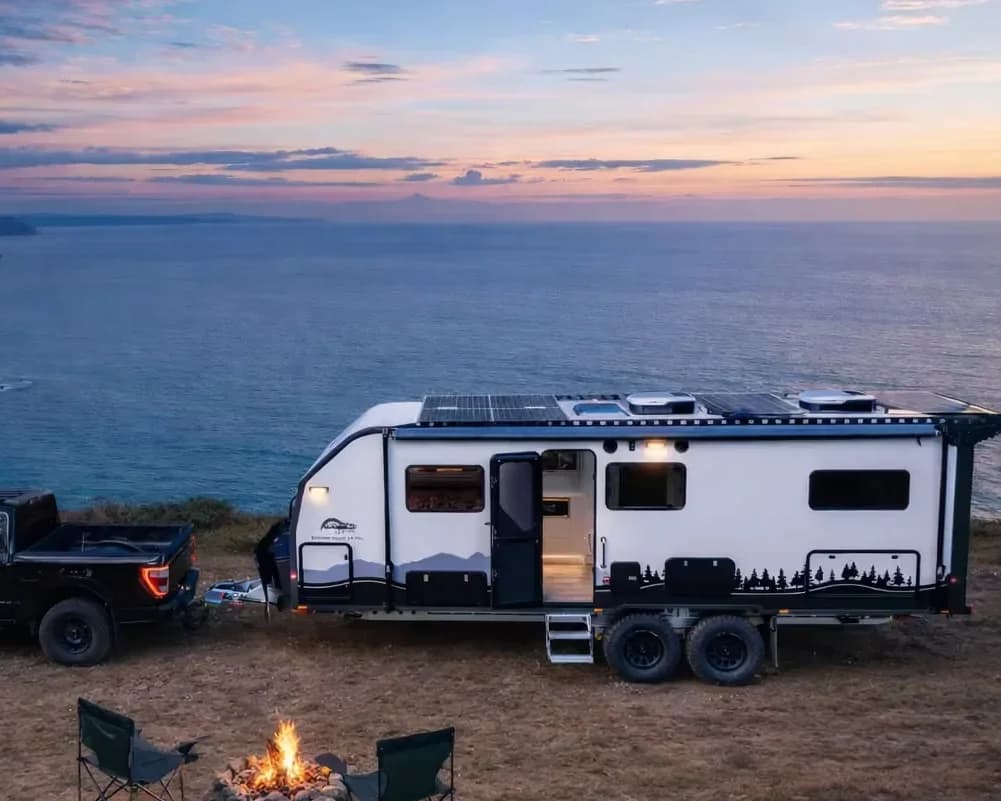
- tow-ball load from a caravan or trailer
The more complete the setup becomes, the more important it is to understand the vehicle’s available payload rather than looking only at towing capacity or the physical size of the vehicle.
Payload: The Number That Can Disappear Quickly
Payload is the amount of weight available between the vehicle’s actual weight and its permitted GVM.
For an adventure build, payload can be used by both permanent modifications and the things loaded for a trip.
A Simple Planning Scenario
Imagine a 4x4 that starts with a tray and canopy, suspension work, batteries, fridge, water and recovery equipment.
Then add passengers, luggage and the tow-ball load from a caravan.
The available payload can reduce far faster than expected.
This is why payload planning is worth considering before the first long trip — and ideally before the tray, canopy, electrical system and towing setup are all locked in.
When Might a GVM Upgrade Become Relevant?
A GVM upgrade may enter the conversation when the vehicle is being prepared for:
- a heavier tray and canopy build
- a full touring fit-out
- a caravan or camper towing setup
- additional water, batteries and off-grid equipment
- more passengers and family gear
- recovery and communications equipment
- long-term travel where the vehicle carries more of everyday life
The key point is that a GVM upgrade is one possible part of the planning conversation — not an automatic requirement.
The first step is understanding the vehicle, the planned loaded weight and the limits that apply to the complete setup.
A GVM Upgrade Does Not Mean Unlimited Payload
A GVM upgrade changes one part of the vehicle’s weight framework.
Other limits can still remain relevant, including:
- front and rear axle limits
- tyre and wheel load ratings
- tow-ball download
- maximum braked towing capacity
- Gross Combination Mass (GCM)
- component ratings
- engineering and modification requirements
- state or territory registration requirements
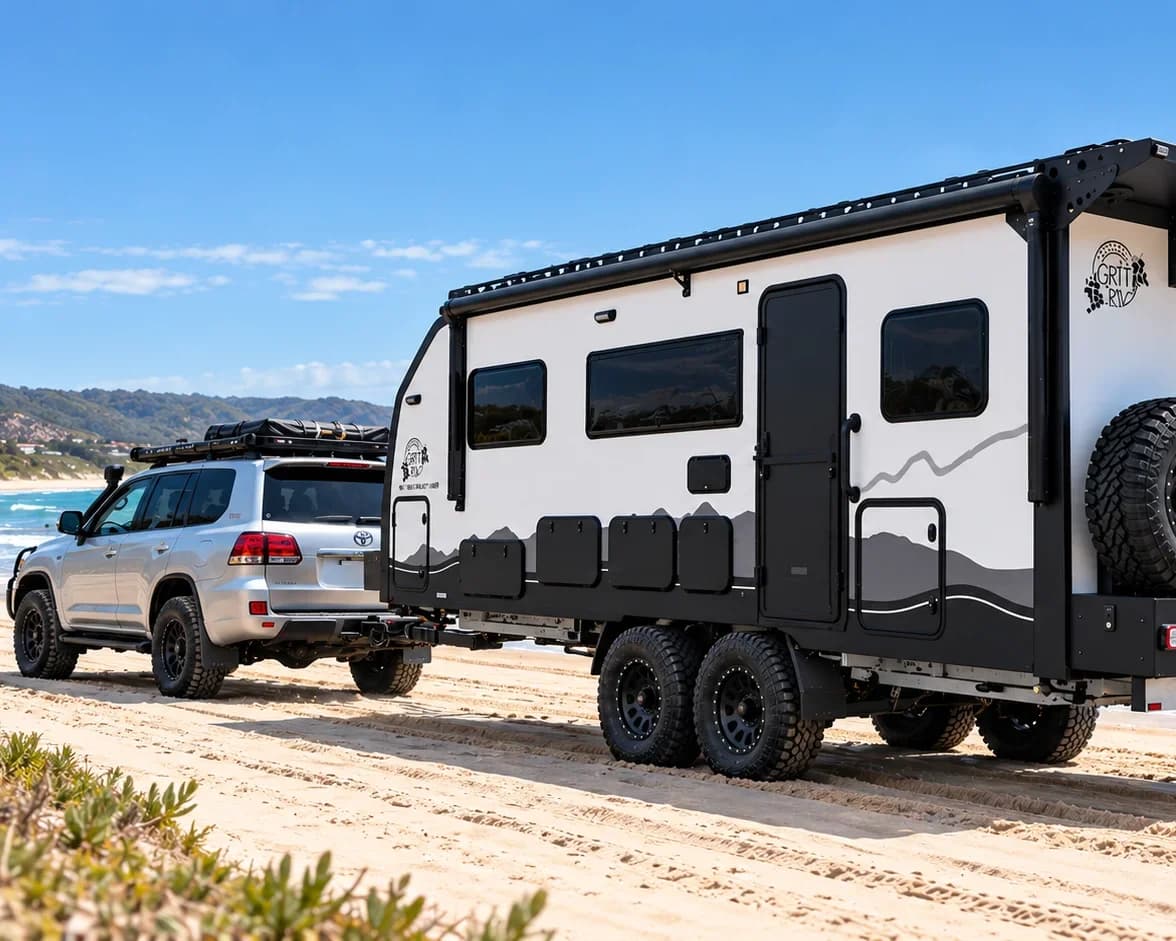
This is one reason GVM, GCM and towing need to be considered together rather than treating a higher GVM figure as the complete answer.
 Related GuideGVM vs GCM
Pre-Registration and Post-Registration Pathways
At a high level, the approval pathway can differ depending on when the vehicle is modified and the jurisdiction involved.
For the reader, the practical message is more important than the regulatory detail: involve a qualified specialist early and confirm the correct pathway for the specific vehicle and state or territory before committing to the modification.
What Sort of Adventure Are You Building For?
Local Weekend Adventurer
A weekend setup can still gain weight as a canopy, fridge, battery system, rooftop tent, recovery equipment and camping gear are added over time.
Even a staged build benefits from keeping payload in mind so every new addition still fits the bigger plan.
Family Getaway Explorer
Family travel can bring passengers, luggage, towing equipment, caravan ball load, refrigeration, water and comfort upgrades into the same vehicle.
GVM, payload and towing planning can become increasingly important as the setup grows.
Long-Term Traveller
For extended travel, the 4x4 may carry a substantial amount of equipment and everyday living gear.
Payload, GVM, GCM, axle loads, water, batteries, storage and towing can all become part of the wider touring plan.
Before You Commit to the Build
Bring the major parts of the finished setup together before locking in the heavy or highly integrated components.
A useful planning list includes:
- the vehicle you own or plan to buy
- the vehicle’s relevant weight ratings
- expected tray and canopy weight
- planned accessories
- battery and electrical equipment
- water and fuel
- passengers
- luggage and recovery gear
- the caravan or trailer being considered
- expected tow-ball load
From there, a qualified vehicle specialist can help determine whether the planned setup is workable and whether a GVM-related modification is relevant.
Weight Planning and Build Planning Belong Together
A GVM conversation rarely sits in isolation.
The same project may also involve suspension, wheels and tyres, tray and canopy work, electrical upgrades, towing equipment, water and storage.
This is why weight planning works best when it happens alongside the broader build plan rather than after everything has already been fitted.
 Related GuideHow Much Does a 4x4 Build Cost?
 Related GuideComplete 4x4 Build vs Staged Build
Key Takeaways
- GVM is the maximum loaded weight of the vehicle while driving on the road.
- Passengers, fuel, accessories, luggage and tow-ball load can all affect vehicle weight and available payload.
- Adventure builds can add weight quickly once trays, canopies, batteries, water and towing equipment are included.
- A GVM upgrade changes one part of the weight equation; GCM, axle limits, towing limits and component ratings can remain relevant.
- A GVM upgrade is not automatically required simply because a vehicle is modified or used for towing.
- Approval pathways can vary between Australian states and territories.
- Bring qualified technical specialists into the conversation early.
- Think about the likely finished setup before the build gets too far.
Planning checklist
Planning a 4x4 Build? Your GVM & Payload Checklist
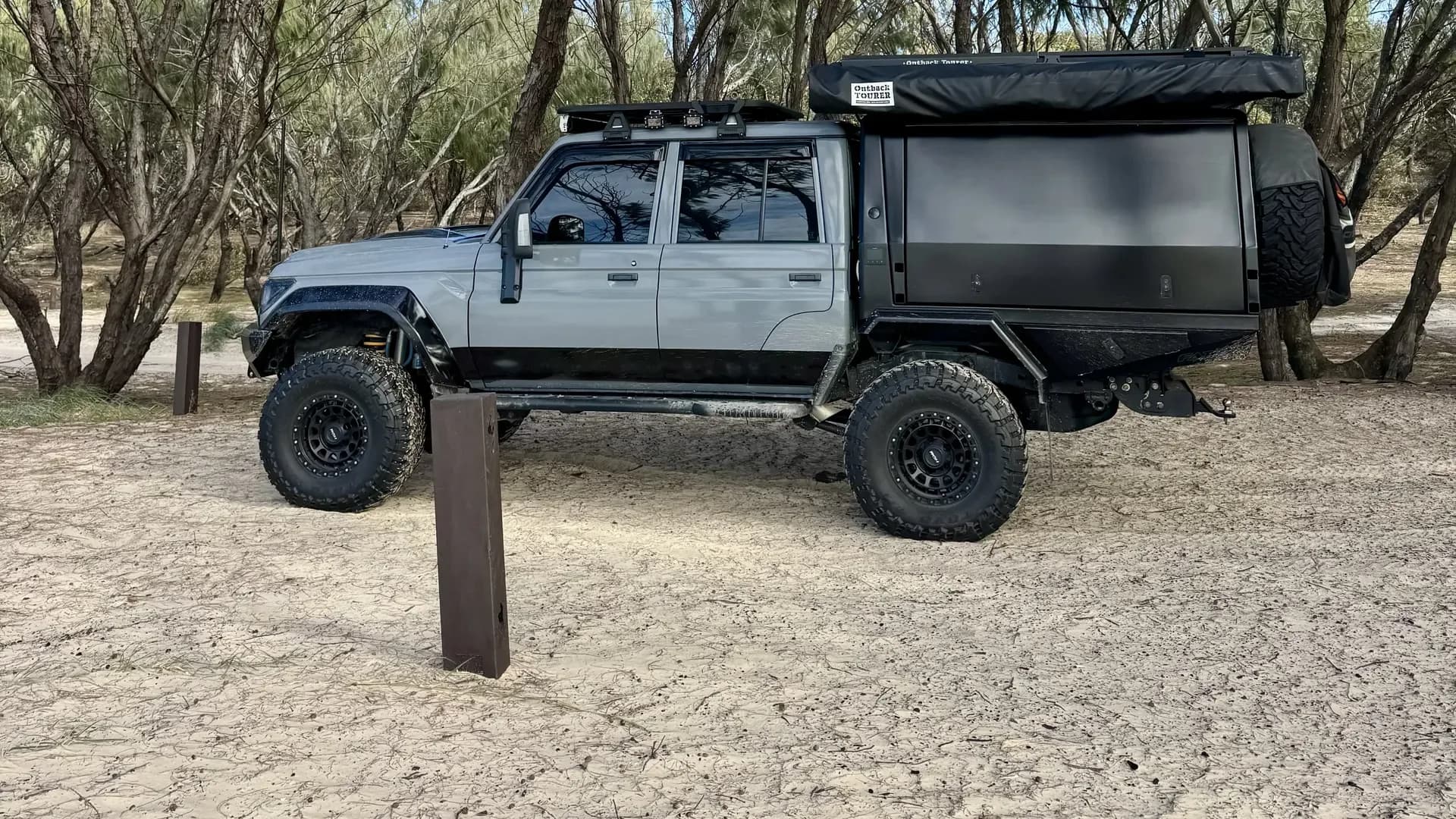
Drewsy’s 79: A Real Build Connection
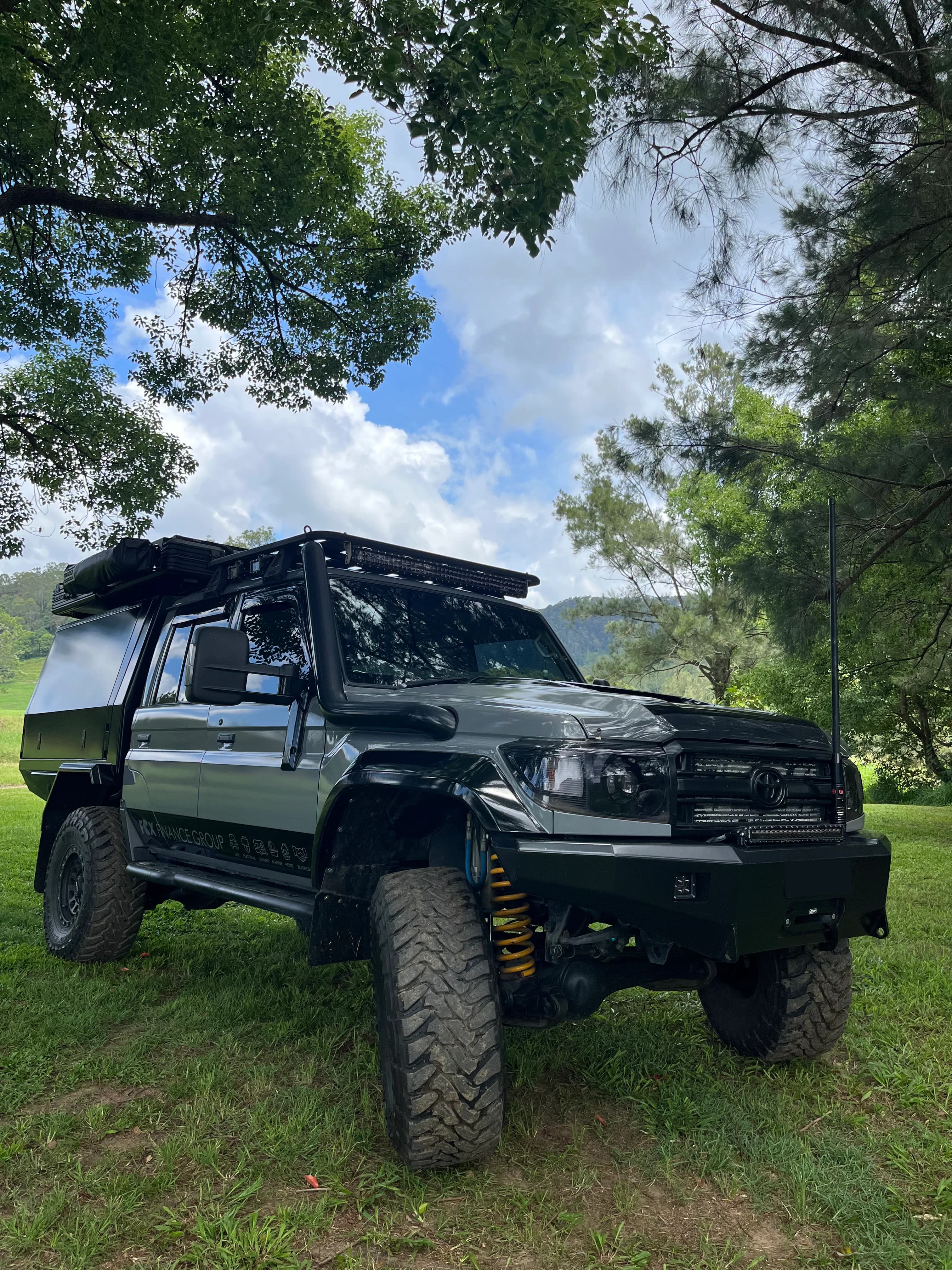
Drewsy’s 79 gives Built for Adventure a practical way to show how weight planning connects to a real touring build.
Tray and canopy, rooftop tent, electrical system, water, fuel, spare equipment, wheels and tyres all become part of the complete vehicle rather than isolated accessories.
The 79 content can show the actual build journey, what was considered, what changed and how the finished setup is used in the real world.
Follow @drewsys79Common Questions
What is a GVM upgrade?
A GVM upgrade is a modification pathway that increases the permitted Gross Vehicle Mass of an eligible vehicle where the required technical, engineering and approval requirements are met.
Does a GVM upgrade increase towing capacity?
Not automatically. GVM, towing capacity, GCM, axle limits and other component ratings are separate considerations. The complete vehicle and towing setup needs to be assessed.
Do I need a GVM upgrade to tow a caravan?
Not in every case. It depends on the vehicle, its actual loaded weight, passengers, accessories, tow-ball load, caravan and other applicable limits.
Can a GVM upgrade help with payload?
Where an approved upgrade increases the permitted GVM, it can increase the permitted loaded mass of the vehicle. Other limits can still apply, so the full setup needs to be considered.
Can I get a GVM upgrade after the vehicle is registered?
Post-registration modification pathways exist, but the requirements vary by jurisdiction and vehicle. A suitably qualified specialist can confirm the pathway that applies.
Can a GVM upgrade be part of a new vehicle build?
The approval pathway can differ where a new vehicle is modified before being supplied to the market. The vehicle builder or specialist can confirm the relevant certification pathway.
Finance Your Adventure
If the build is moving from planning into a real purchase decision, Adventure Finance is the separate specialist finance pathway. Built for Adventure keeps this Guide focused on GVM, payload and build planning. Questions about pre-approval, lender criteria, rates, terms or whether eligible GVM-related work can be financed belong with Adventure Finance.